
CSMS software for managing EV charging stations and charger networks
Control charging infrastructure and connect every session to your commercial operations.
Zencillo Electrolineras provides a CSMS for homologated OCPP 1.6J chargers and connectors: sessions, rates, authorizations, incidents and centralized operational information.
Connect infrastructure to payments, electronic invoicing, customers, credit and driver experience through enabled Zencillo components.
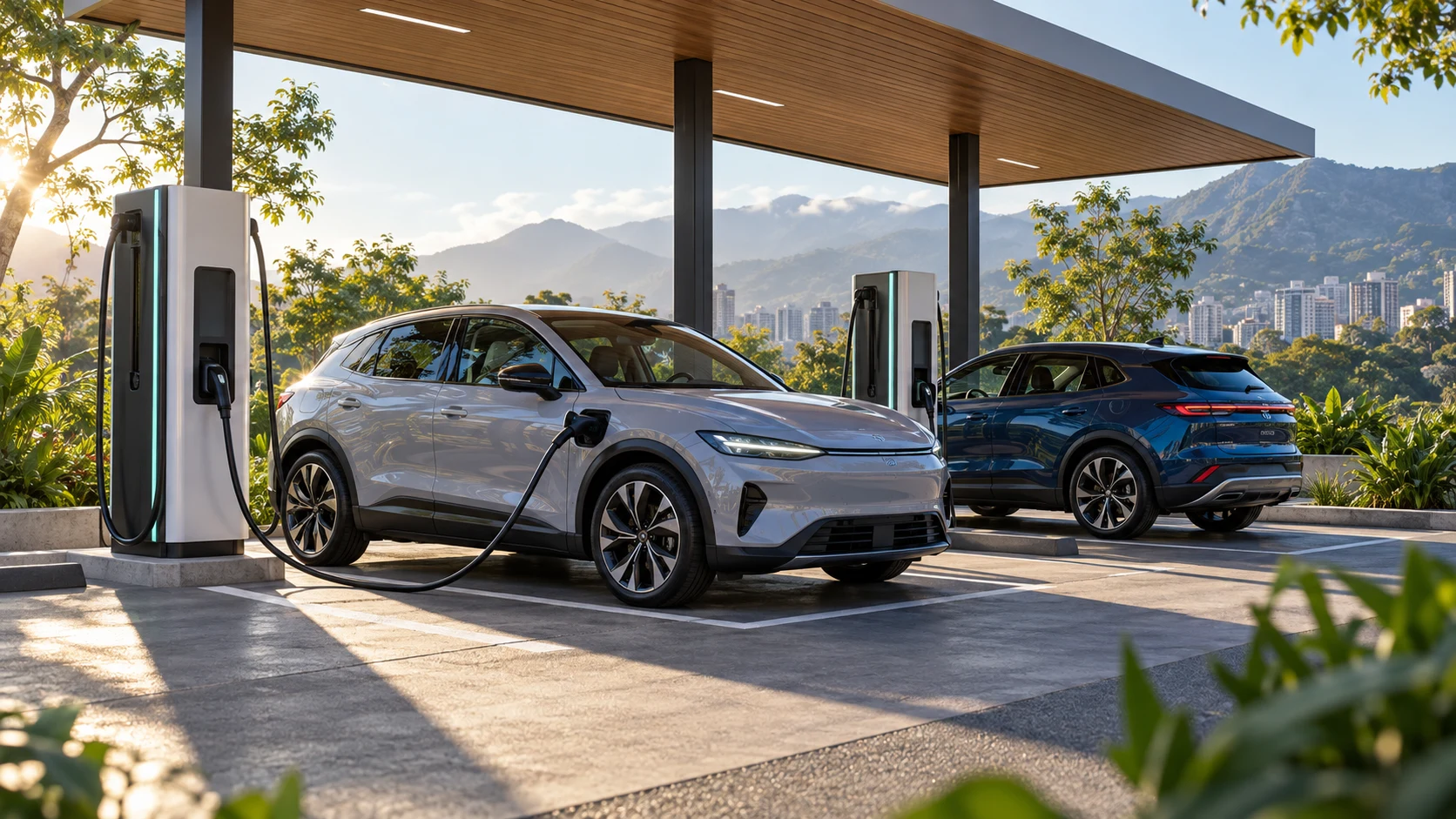
Infrastructure under control, from device to transaction
A company, location, device and connector view relates sessions to authorizations, rates and commerce. These capabilities come from the master document and are reviewed in the offered configuration.
Infrastructure dashboard
Monitor company, location, charger and connector. View availability, states, sales and sessions. A disconnected device must not appear available based on its last state.
Live operations
Active sessions, energy, duration, power and available measurements. Missing-reading alerts distinguish stale data. Battery percentage is not invented when equipment does not report it.
OCPP 1.6J and connectivity
Open Charge Point Protocol, JSON over secure WebSocket. Chargers initiate an outbound connection; this architecture does not require a fixed IP, VPN or inbound site ports. Network access and configuration are reviewed.
Homologated model catalog
Manufacturer, model, tested firmware, connectors, power, documents and verified features. Homologation is reviewed by model and version; universal compatibility or OCPP 2.0.1 is not offered in this version.
Rates and commerce
Price per kWh, additional charges and taxes by configuration. The most specific charger, location or company rate can apply, preserving company separation and sales currency.
Authorization and identification
RFID, app and enabled policies link identity to authorization and consumption. Cards can associate customer, expiration and limits. Unknown equipment requires registration and authorization before transactions.
Postpaid, balance query and balance hold
Postpaid records consumption for later invoicing. Balance queries check availability before starting. Holds reserve funds before requesting charging, settle usage and release the remainder; failed starts release according to policy. CSMS coordinates and records; integrated commercial channels handle payments.
Limits and safety margins
Limits by energy, time and value under configured policies. CSMS requests stopping and uses margins for equipment latency. Instant stopping or absolute prevention of overconsumption is not guaranteed.
Connector reservations
Reserve a connector and time slot according to availability, hours, tolerances, maintenance and faults. A recorded reservation differs from the physical hold requested near the scheduled time, which depends on model and connectivity. No-shows and cancellations follow operator policies.
Maintenance and faults
Service windows, faults and reservations share an operational calendar. Incidents and disconnected equipment require follow-up; affected reservations are handled under available policies.
Remote commands and diagnostics
Start, stop, OCPP console and functions supported by each homologated device. Sensitive actions require confirmation and permissions. Smart Charging profiles apply only when supported; rejection or non-execution is not success.
Reports and traceability
History by period, location, charger, connector and transaction. Summary or detailed Excel and PDF exports according to configuration. Completed, interrupted, failed and active states remain distinct; simulated sessions are separated from real sales.
Multi-company administration
Company → Location → Charger → Connector → Transaction. User permissions and scope apply by company or location, separating organizational information. Language and time zone govern queries and reports.
Security and controlled access
Documented architecture includes authentication, server-side authorization, encryption in transit, auditing and PostgreSQL RLS isolation. REST APIs use scoped service accounts. Certifications, SLAs and deployment conditions require contractual validation, not inference from design.
Integrated simulator
The platform documents simulated equipment, sessions and faults without hardware for training, diagnostics and demonstrations. Simulations are identified and excluded from commercial totals. This website demo is conceptual and does not run the business simulator.
Commercial integration
Revolution serves the driver; Management handles sales, invoices and receivables. Loyalty adds benefits, Messages reports incidents and Zencillo Viviseven supports analysis or authorized actions. Components have distinct roles and configurable scope.
Explore charging states without physical hardware
The documented integrated simulator supports product training, diagnostics and demonstrations. Here you can explore a separate conceptual representation without OCPP commands or real energy measurement.
Conceptual website simulation · No physical equipment or commercial transaction
Available
Use the controls to explore conceptual states. The business simulator must be demonstrated separately.
Connect technical sessions with commerce
Zencillo Electrolineras / CSMS
Infrastructure, connectors, sessions, rates and authorizations.
Explore this component →Driver experienceZencillo Revolution
Map, selection, compatible reservations, enabled payments, progress and history.
Explore this component →Commercial administrationZencillo Management
Sales, invoicing, credit, receivables and reports.
Explore this component →Ongoing customer relationshipZencillo Fidelización
Configured points, vouchers, promotions, rewards and benefits.
Explore this component →Operational communicationsZencillo Mensajes
WhatsApp alerts and summaries according to integration.
Explore this component →Business intelligenceZencillo Viviseven
Queries, analysis and commercial actions with enabled services, data, permissions and consent.
Explore this component →Commercial channels handle payments; CSMS coordinates and records, Management invoices and Revolution presents driver information. Messages and Zencillo Viviseven retain separate roles.
Frequently asked questions
Which OCPP version is described?
OCPP 1.6J, JSON over WebSocket. OCPP 2.0.1 is not supported in the documented version.
Does it work with every brand?
Homologated models and firmware are evaluated. A manufacturer’s OCPP claim is insufficient; specific commands and features are verified.
What connectivity is needed?
Chargers require a secure outbound platform connection; network, URL and credentials are configured for the installation.
Does it require a fixed IP or VPN?
The documented outbound architecture requires neither, nor inbound ports; network restrictions are reviewed during implementation.
Do reservations physically hold a charger?
System reservation and physical connector hold differ. The hold is requested near the scheduled time and depends on equipment and connectivity.
How is RFID used?
An idTag card associates policies, customer and permissions by configuration; CSMS validates authorization before consumption.
How is prepayment controlled?
Funds are checked or held before starting. Consumption is settled and remaining funds released at closure; limits and margins depend on charger response and balance integration.
Which reports are available?
Sessions and sales by period, site, charger and connector; Excel/PDF exports by configuration and language.
How is maintenance recorded?
Service windows, faults and reservations share the calendar. Stale information is identified and affected reservations follow policies.
Can I manage multiple locations?
Yes, through companies, locations, equipment and connectors; each user has defined permissions and scope.
Is there an integration API?
The architecture documents REST/OpenAPI with company- and permission-scoped service accounts. Business connections require specific scope and configuration.
Does CSMS issue the invoice?
CSMS records operations; Management handles fiscal documents by country and configuration, and Revolution can present them to drivers.
Can I demonstrate without hardware?
The product documents an integrated simulator. This page uses an identified local conceptual visualization without equipment, payment or real data connections.
Control chargers, sessions and sales through a connected platform.
Define equipment, locations, customers, payments, fiscal country and project components. Request a demonstration focused on your operation.